The life of Simo Häyhä offers more than just military history; it provides a blueprint for discipline, humility, and the power of specialized knowledge. While his context was one of extreme conflict, the principles he lived by are remarkably applicable to personal and professional mastery.
Here are the key lessons we can draw from the life of “The White Death.”
1. Mastery Over Gear
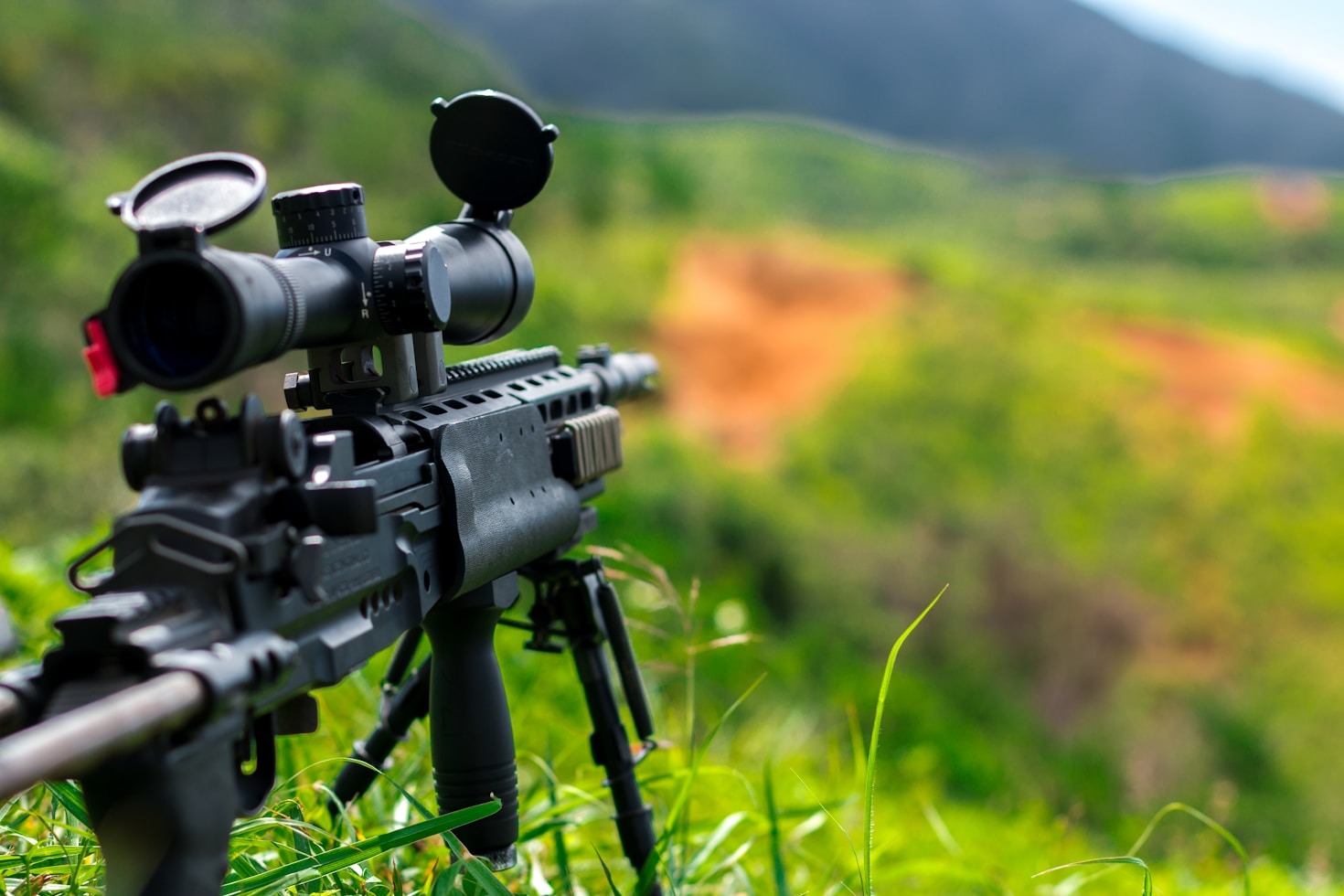
In an era where people often seek the “latest and greatest” technology to solve problems, Häyhä did the opposite. He used an outdated rifle with iron sights while his enemies had modern scopes.
- The Lesson: Tools are secondary to talent. Mastery comes from knowing your equipment so well that it becomes an extension of yourself. It is better to be a master of a simple tool than a novice with a complex one.
2. The Power of Preparation
Häyhä’s success in the 100-day Winter War was actually the result of decades of quiet preparation. His years as a hunter taught him how to track, how to stay still, and how to read the forest.
- The Lesson: “Luck” is often just the intersection of preparation and opportunity. When the crisis arrived, Häyhä didn’t have to learn new skills; he simply applied his lifelong habits to a new environment.
3. Attention to the “Micro-Details”
Häyhä’s survival didn’t depend on grand gestures, but on tiny adjustments: packing down the snow to prevent a puff of powder, or keeping snow in his mouth to hide his breath.
- The Lesson: In any high-stakes environment, the “small” things are actually the “big” things. Success is often found in the margins—the 1% details that others are too lazy or distracted to manage.
4. Adaptability is Survival
The Finnish army was dwarfed by the Soviet Union in numbers and heavy machinery. Häyhä and his compatriots used Sisu (Finnish stoic determination) and guerrilla tactics to turn the environment into a weapon.
- The Lesson: You don’t need the most resources to win; you need to be the most adaptable. Use your “smallness” or lack of resources as an advantage to be more mobile, stealthy, and efficient than a “larger” competitor.
5. Humility in Achievement
Despite being the most successful sniper in history, Häyhä never sought fame. After the war, he returned to a quiet life of farming and hunting. When asked about his record, he attributed it simply to “practice” and “duty.”
- The Lesson: Let your work speak for itself. True greatness doesn’t require self-promotion. There is a profound dignity in doing a difficult job well and then returning to a state of peace without the need for constant validation.
6. Resilience (Sisu)
Häyhä survived a devastating injury that would have ended most people. He woke up from a coma, underwent 26 surgeries, and lived another 62 years. He didn’t let his “worst day” define the rest of his life.
- The Lesson: Resilience isn’t just about surviving the blow; it’s about what you do after you wake up. Häyhä’s long life after the war proves that one can move past trauma and find purpose in the quiet years that follow.
“I did what I was told to do, as well as I could. There would be no Finland unless everyone else had done the same.” — Simo Häyhä
Leave a Reply