To understand how Simo Häyhä became the most lethal sniper in history, one must look past the 100 days of the Winter War and into the two decades of “invisible” training that preceded it. His expertise wasn’t manufactured in a high-tech military facility; it was forged through a combination of rural necessity and a culture of obsessive competition.
Here is the deep dive into the training of the “White Death.”
1. The “Hunter-Gatherer” Foundation
Long before he was a soldier, Häyhä was a hunter. In the rugged Karelia region, hunting wasn’t a hobby—it was a source of food and income.
- Spatial Awareness: Hunting taught him how to track movement in dense forests and how to remain motionless for hours in sub-zero temperatures.
- Target Identification: He learned to distinguish between the natural movement of trees and the subtle, unnatural movement of a living target.
- One Shot, One Kill: Ammunition was expensive for a farming family. From a young age, Häyhä was trained to make every single bullet count, a discipline that later defined his military career.
2. The Civil Guard (Suojeluskunta)
At age 20, Häyhä joined the Finnish Civil Guard, a voluntary militia similar to the National Guard. This is where his raw hunting talent was refined into military precision.
- Repetitive Drills: The Civil Guard focused heavily on “muscular memory.” Häyhä spent thousands of hours practicing the bolt-action cycle of his rifle until he could operate it without looking and with minimal body movement.
- Range Estimation: Without modern rangefinders, Häyhä trained his eyes to estimate distances accurately across varying terrains—snowy fields, thick woods, and frozen lakes.
3. Extreme Marksmanship Competitions
Häyhä was a “competition junkie.” He participated in countless shooting matches, which provided a level of pressure that mimicked the stress of combat.
- The “Mad Minute”: He reportedly practiced a drill where he could hit a target 16 times per minute at a distance of 150 meters. This required incredible dexterity with a bolt-action rifle.
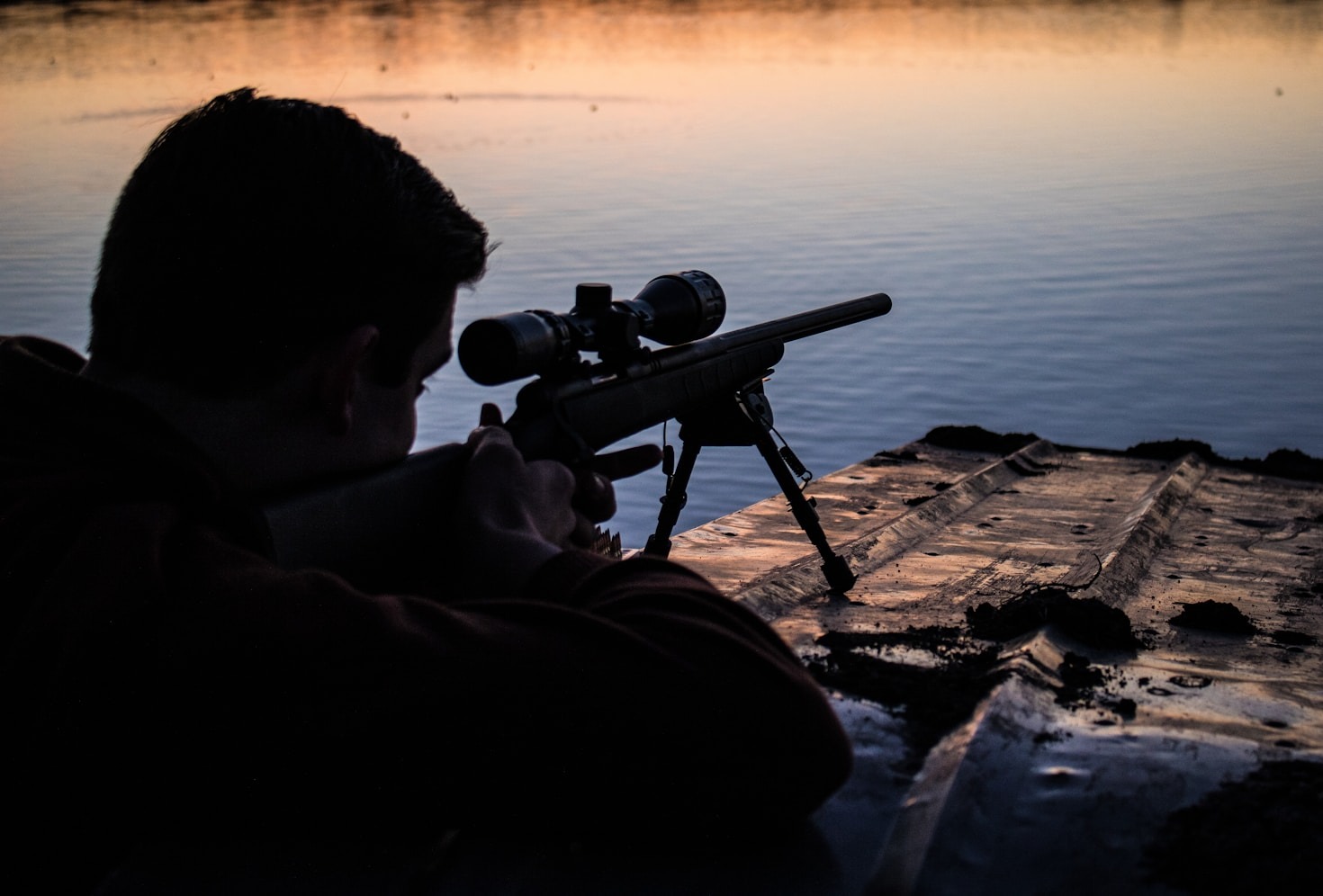
- The “Smallest Group”: His training focused on “grouping”—the ability to hit the exact same spot repeatedly. By the time the war started, he was known to hit a target the size of a dinner plate from 400 to 500 meters away using only iron sights.
4. Mastery of Camouflage and Concealment
Häyhä didn’t just learn to shoot; he learned to disappear. His training in concealment was self-taught and highly innovative:
- Background Matching: He learned to select “broken” backgrounds—spots where his silhouette would be disrupted by trees or rocks—so he wouldn’t appear as a solid white blob against the snow.
- Scent and Sound: He practiced moving silently through frozen brush, understanding that sound travels further in the thin, cold air of winter. He also learned to avoid using any oils or cleaners on his gear that might give off a scent.
5. Cold-Weather Endurance
While the Soviet troops were struggling to survive the elements, Häyhä was “at home.” His training included:
- Thermoregulation: Knowing exactly how many layers to wear to stay warm without sweating (as sweat leads to hypothermia in $-40$°C).
- Static Endurance: He trained himself to lie in a “prone” position in deep snow for half a day at a time without moving a muscle, preventing his joints from seizing up in the cold.
The “Sisu” Mindset
Perhaps the most important part of his training was the Finnish concept of Sisu—an extraordinary resilience and stoic determination. Häyhä didn’t train to be a hero; he trained to be a professional. He viewed his rifle as a tool, the snow as his office, and his mission as a simple, logical necessity.
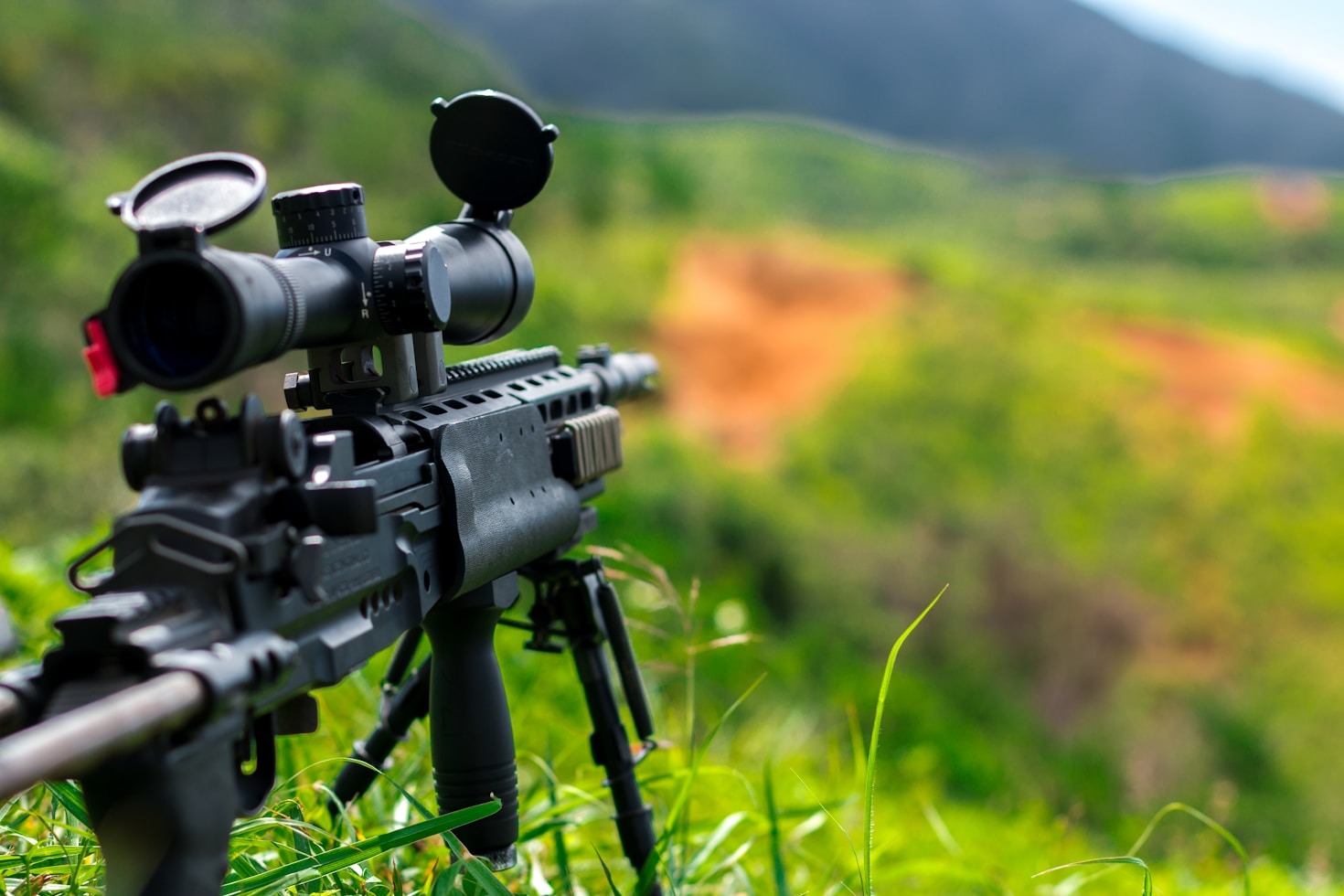
Technical Note: Häyhä’s primary training rifle was the M/28-30, which featured a heavier barrel and more stable bedding than the standard Mosin-Nagant, allowing for the extreme accuracy he practiced daily.