Category: Category 4
Use this description to tell users what kind of blog posts they can find in this category.
-
The Unseen Side of the ‘White Death’
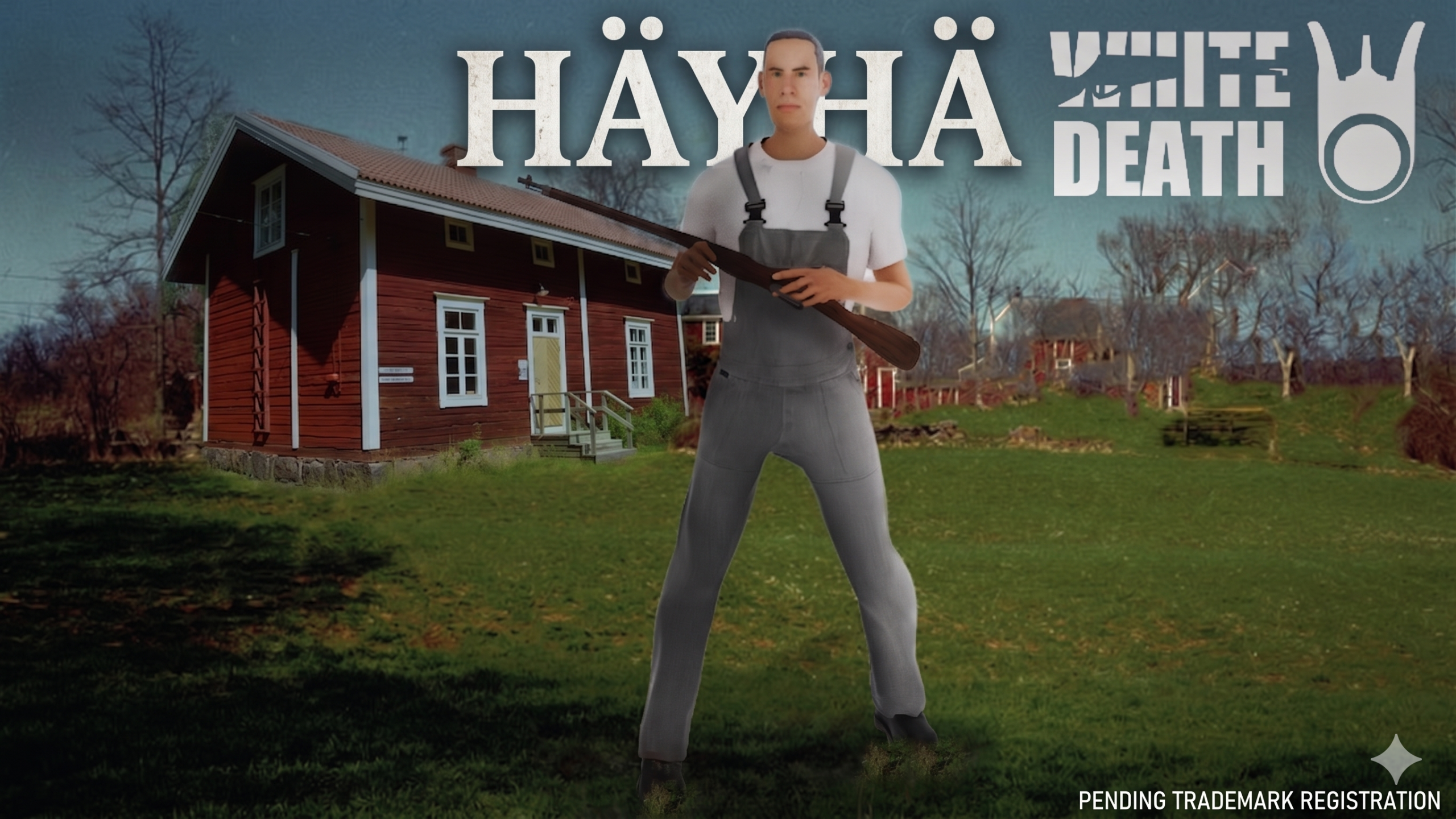
Beyond the terrifying statistics and the “White Death” persona lies the story of a man who was remarkably ordinary—and perhaps that was his greatest strength. To understand Simo Häyhä, you have to look at the 96-year-long life that sandwiched those 100 days of legendary violence.
Here is the unseen side of the man behind the rifle.
1. The Reluctant Warrior
Simo didn’t harbor a deep-seated hatred for his enemies or a thirst for combat. He was a peaceful farmer by trade. When the war ended, he didn’t seek a career in the military or politics. He simply went back to his village, Rautjärvi.
- To him, the war was a temporary interruption of his real life: tilling soil and tending to his family’s land. He viewed his kills not as “victories,” but as a necessary “harvest” required to keep his home.
2. A Life of Silence
Häyhä was famously introverted, even by Finnish standards. He rarely spoke about the war, and when he did, he was incredibly brief.
- The “Interview” Struggle: Journalists often found him a difficult subject. He wouldn’t boast or embellish. When asked how he felt about the hundreds of lives he took, he often responded with variations of: “I did what I was told to do, as well as I could.”
- This wasn’t a PR stunt; it was a genuine lack of ego. He truly believed he was just one small gear in a much larger machine.
3. The Physical and Social Toll
While the history books focus on his survival, they often gloss over the brutality of his recovery.
- The explosive bullet that hit him didn’t just break his jaw; it shattered his face. For years after the war, he underwent painful reconstructive surgeries.
- In the small-town social circles of post-war Finland, his disfigurement made him stand out, yet he bore it with the same “Sisu” (stoic grit) he used in the trenches. He didn’t hide his face; he lived his life openly, regardless of the stares.
4. The World-Class Dog Lover
One of the most humanizing aspects of Häyhä’s later life was his passion for dog breeding. He became a well-known breeder of Finnish Hounds and was an expert moose hunter.
- Those who knew him in the 1960s and 70s didn’t see a “killing machine”—they saw a kind, elderly man who loved his dogs and was deeply in tune with the rhythm of the Finnish wilderness.
5. Unexpected Friendships
In his later years, Häyhä actually met with several former Soviet soldiers. These meetings weren’t characterized by animosity, but by a shared, quiet understanding of the horrors of the Winter War.
- He once remarked that the Soviet soldiers were just like the Finns—young men forced into a frozen hell by the whims of powerful leaders. This empathy was the “unseen” side of a man the world viewed only as a cold-blooded marksman.
The Man vs. The Myth
If you had met Simo Häyhä in 1980, you would have met a humble, soft-spoken gardener who preferred his dogs to people. The “White Death” was a role he played out of necessity, but Simo Häyhä was the man he chose to be.
He proved that you can be the most effective soldier in history without losing your humanity or your humility.
-
The Role of Snipers in the Winter War
In the Winter War (1939–1940), the Finnish sniper was more than just a marksman; they were a central pillar of a psychological warfare strategy known as Motti tactics. While the Soviet Red Army relied on massive numbers and heavy artillery, the Finnish “ghosts” used the environment to paralyze an empire.
Here is how snipers shaped that conflict:
1. Force Multipliers in “Motti” Warfare
Finland was outnumbered roughly 3-to-1 in manpower and 100-to-1 in tanks. To survive, the Finns used Motti tactics—breaking long Soviet columns into smaller “pockets” (mottis) and then picking them apart.
- Isolation: Snipers were used to take out officers, commissars, and radio operators first.
- Paralysis: Without leadership, the stranded Soviet soldiers were often too terrified to move, making them easy targets for Finnish guerrilla squads.
2. The Weaponization of the Arctic Environment
The Finnish sniper was a product of the land. Most were world-class hunters and skiers who viewed the $-40$°C forest not as a hostile environment, but as their home.
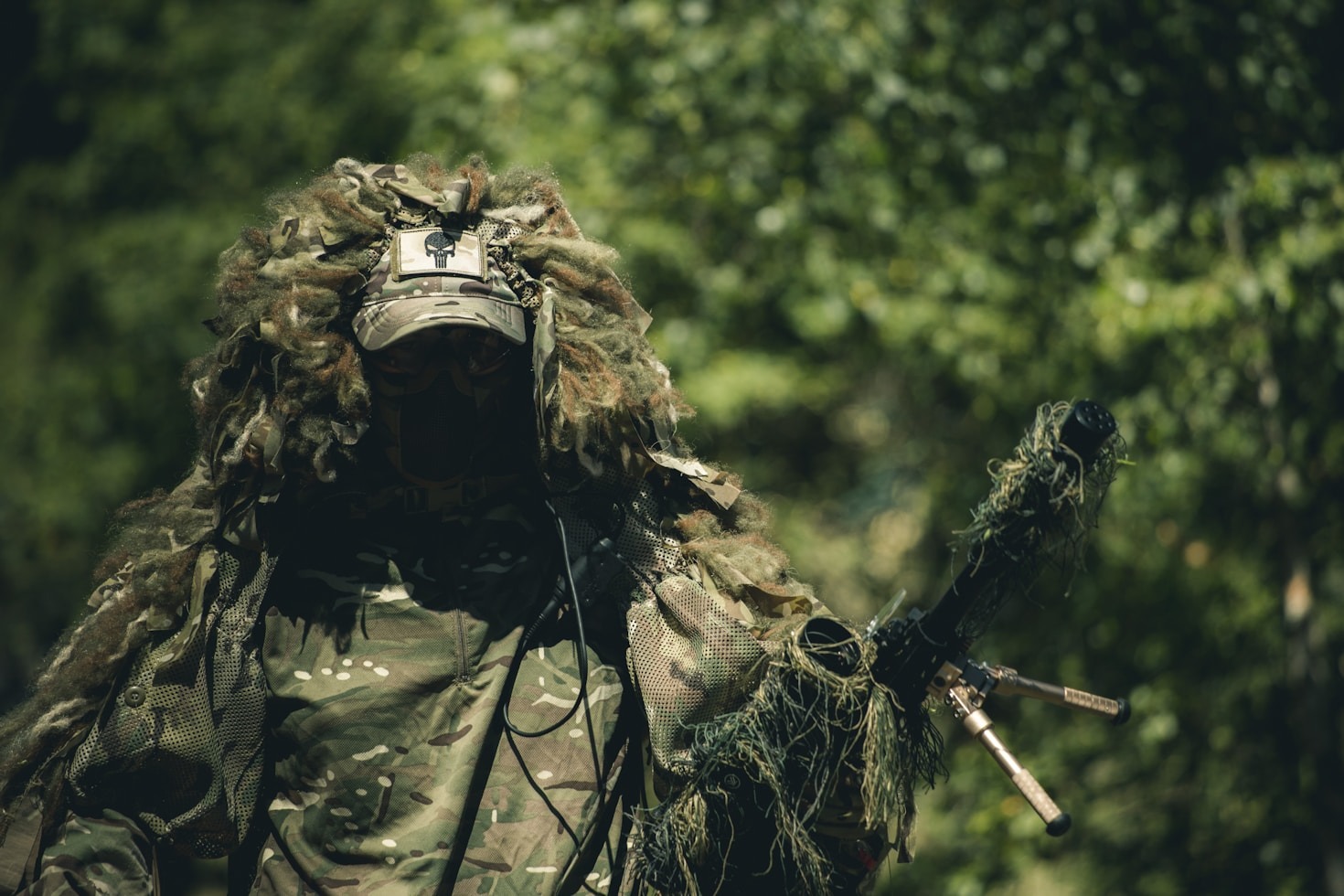
- White Camouflage: While Soviet soldiers initially wore dark olive uniforms that stood out against the snow, Finnish snipers wore specialized white capes and hoods.
- Ski Mobility: Snipers utilized cross-country skis to strike from one flank, disappear into the woods, and reappear a mile away on the other flank within the hour. This created the illusion of a much larger force.
3. Psychological Terror: “The Ghost Forest”
The role of the sniper was as much about mental exhaustion as it was about casualties.
- No Safe Zone: Because Finnish snipers like Simo Häyhä could hit targets from 400+ meters without a scope, Soviet soldiers never felt safe, even deep behind their own lines.
- Sleep Deprivation: Snipers would often target soldiers trying to gather wood for fires. This forced the Soviets to stay in the dark and cold, leading to widespread frostbite and a total collapse of morale.
4. Technical Superiority in Extreme Cold
The Winter War proved that high-tech gear isn’t always better. The Finns utilized the Mosin-Nagant (specifically the Finnish M/27, M/28, and M/28-30 variants).
- Bolt-Action Reliability: These rifles were rugged and functioned perfectly in the deep freeze that jammed more complex Soviet semi-automatic weapons.
- Iron Sights vs. Optics: Finnish snipers frequently avoided scopes. Beyond the risk of lens flare, iron sights allowed them to keep their heads lower to the ground, reducing their profile to a mere few inches above the snowbanks.
5. Counter-Sniper Operations
The Soviet Union eventually realized the threat and deployed “Sniper-Exterminator” units. This turned the Finnish forests into a deadly game of cat-and-mouse.
- Decoys: Finnish snipers would use helmets on sticks or mannequins to draw Soviet fire, revealing the enemy’s position.
- Artillery Response: The Soviets became so desperate to stop Finnish snipers that they would often carpet-bomb entire sections of the forest with artillery just to eliminate a single suspected shooter.
The Result
The role of the sniper in the Winter War was so effective that it fundamentally changed Soviet military doctrine. After the war, the USSR realized they had neglected individual marksmanship and began the massive sniper training programs that would eventually produce legends of their own during World War II.
For the Finns, the sniper became a symbol of Sisu—the ability to face overwhelming odds with quiet, lethal persistence.